| Joined | 1973, the European Economic Community that later became the EU |
| Referendum | 23 June 2016, 51.9 % voted to leave |
| Article 50 notice | 29 March 2017 |
| Exit | 31 January 2020 |
| Transition period | 1 February to 31 December 2020 |
| Trade deal | TCA, applied provisionally from 1 January 2021, in force since 1 May 2021 |
| Currency | the UK never adopted the euro and kept the pound |
Brexit in one paragraph
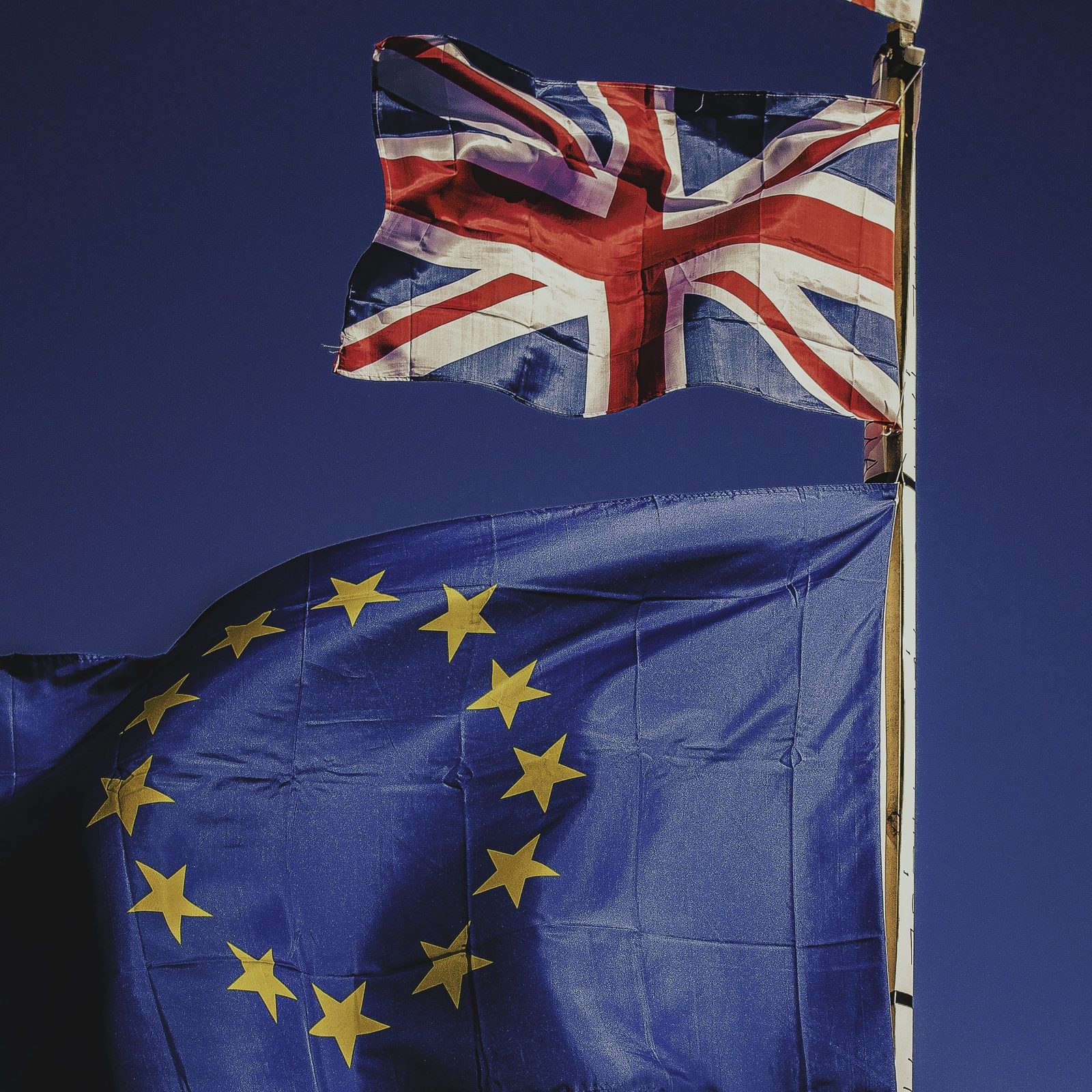
Brexit is the blend of "Britain" and "exit": the United Kingdom leaving the European Union. The country joined the European Economic Community, the forerunner of the EU, in 1973. After some 47 years of membership it left on 31 January 2020.
Is the UK still part of Europe? Geographically, of course; the island has not drifted off. Politically it is now a third country, like Norway or Switzerland but without their single-market agreements. And since the question often comes up alongside: England, Great Britain and the United Kingdom are three different things, and it was the United Kingdom as a whole that left. We untangle the names in England, Great Britain and the UK.
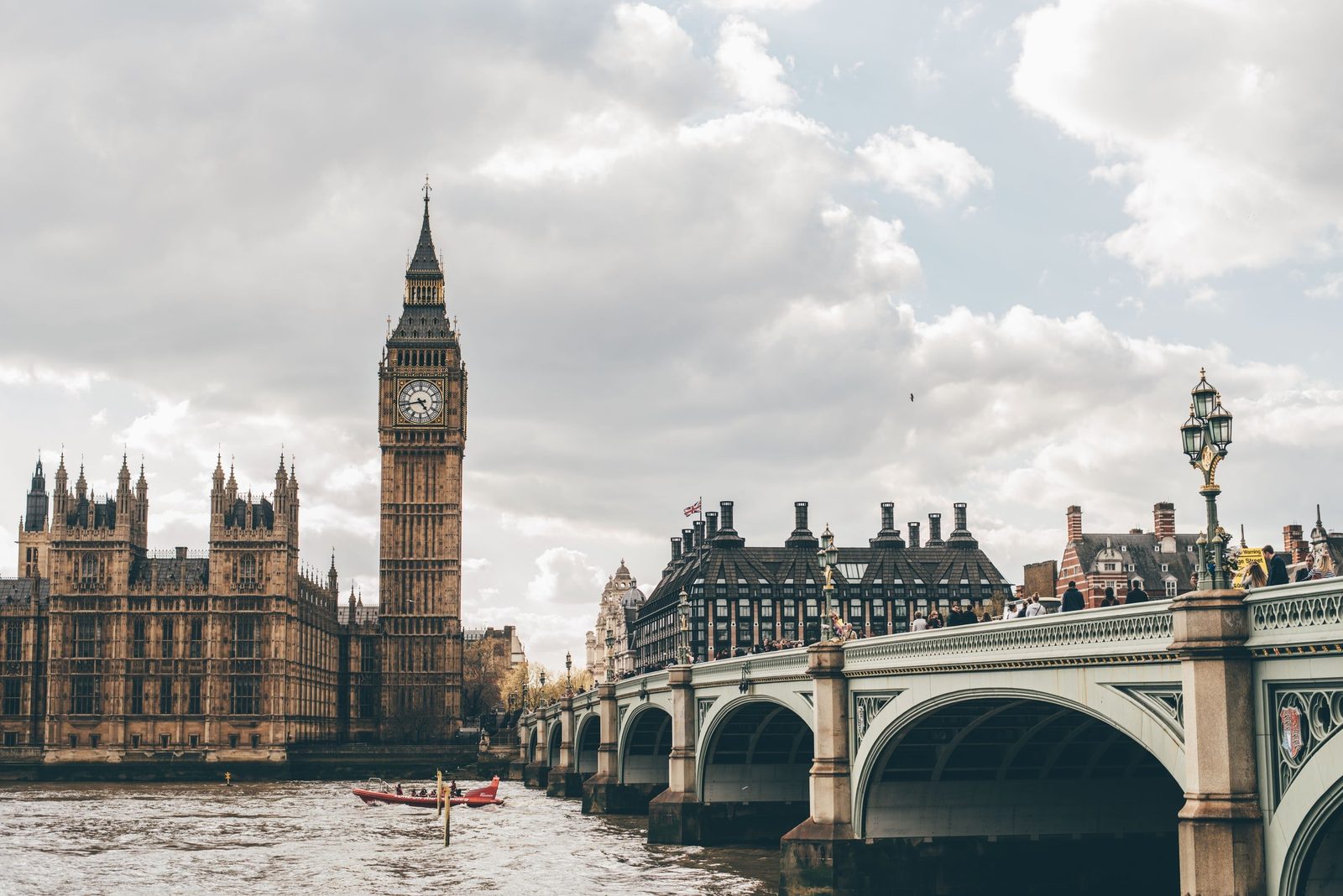
So London is outside the EU too, even though the capital voted very differently from much of the country. That gap is already part of the explanation.
The back story: a member with reservations
The British were never the starry-eyed Europeans that Brussels, Paris or The Hague might have hoped for. They saw the Community mainly as a market, much less as a political project. Plenty of opt-outs show it, and the best known is that the UK never adopted the euro. If you have ever wondered whether England once paid in euros: no, the pound was always there.
In January 2013 Prime Minister David Cameron gave his landmark Europe speech at Bloomberg in London. He described democratic consent for the EU in Britain as "wafer thin" and made the case for a referendum. The aim was to calm the Eurosceptic wing of his own party and take the wind out of the rising UK Independence Party. He fully expected to win.
Parliament passed the European Union Referendum Act 2015 to make it happen. The ballot paper carried a single question: "Should the United Kingdom remain a member of the European Union or leave the European Union?" Remain or leave, nothing in between.
The reasons behind Brexit
There was no single reason. The same motives come up again and again in the campaign and in the debate since, each feeding the others:
- Sovereignty: "Take back control" struck a nerve. Many wanted laws made in Westminster rather than Brussels, and British courts to have the last word.
- Immigration: free movement within the EU was the most tangible everyday issue. For many voters it came down to who may come into the country and who decides.
- Money: contributions to the EU budget were a running sore. The famous bus with its figure for the NHS is still a symbol of how fiercely that argument was fought.
- Regional divides: areas that felt left behind by London's prosperity also used the vote as a protest against the establishment, against Westminster politics and against the austerity years after the financial crisis.
- Old scepticism: "yes to the market, no to political union" ran through decades of British European policy. The euro, the bailout funds and new treaties deepened the sense of being pulled in a direction the country had never chosen.
- A deal that fell flat: Cameron negotiated concessions in Brussels before the vote. For many voters they were too small to change the mood.
23 June 2016: a narrow vote to leave
On 23 June 2016, 51.9 % of voters chose to leave. Narrow, but clear enough to be treated as binding. The next morning Cameron stood outside Downing Street, accepted the result and announced he would step down. His line that the will of the British people must be respected became the guiding principle for every government that followed.
The country was split across generations, regions and families. Scotland and Northern Ireland voted differently from much of England, the big cities differently from the countryside. That split shaped the years that followed: how hard should the break be, and what happens to the open border on the island of Ireland? The Irish question became the hardest part of the talks and partly still is, as our piece on Northern Ireland and the Windsor Framework shows.
From the vote to the trade deal
Four and a half years passed between the referendum and the real break. These were the stages:
- 1
29 March 2017: Article 50
Prime Minister Theresa May formally notified the EU of the UK's intention to leave. That started the two-year negotiating clock, which was later extended several times.
- 2
2017 to 2019: the fight over the deal
The House of Commons rejected May's withdrawal agreement more than once. She resigned, Boris Johnson took over and renegotiated the arrangements for Northern Ireland.
- 3
31 January 2020: exit
The United Kingdom left the EU. The Withdrawal Agreement settled citizens' rights, the money and the Protocol on Ireland and Northern Ireland.
- 4
1 February to 31 December 2020: transition
The EU still treated the UK as a member, without a seat in its institutions. Daily life barely changed while both sides negotiated the future relationship.
- 5
1 January 2021: the real break
The single market and customs union ended for the UK. The Trade and Cooperation Agreement (TCA) applied provisionally from that day and entered into force on 1 May 2021. It brings zero tariffs on goods that meet the rules of origin, and customs formalities on everything.
What is left of it today
Brexit did not end the relationship; it changed its shape. Since 2021 the UK has been a third country for any EU business, with customs declarations, import VAT and a separate UK VAT registration. What that means for deliveries, companies and staff is set out in Brexit and EU businesses.
On the economics, the Office for Budget Responsibility, the UK government's independent fiscal watchdog, expects exports and imports to end up around 15 % lower in the long run than had the UK stayed, and the trade deal to cut long-run productivity by 4 %. Whether Britain is better off after Brexit is therefore mostly a political question. The official forecasts are sober.
The political tone has softened. In 2023 the EU and the UK agreed the Windsor Framework for Northern Ireland, and on 19 May 2025 London hosted the first EU-UK summit, which launched a new strategic partnership. The British government still rules out a return to the single market, the customs union or free movement, so anyone hoping for a comeback should plan with the status quo. What changed for travellers and new arrivals is covered in Brexit for EU citizens.
Questions about why Brexit happened
Why did the UK leave the EU?
Because a narrow majority of 51.9 % voted for it in the referendum of 23 June 2016. The main motives were the wish for national control over laws and immigration, arguments over EU contributions, protest from regions that felt left behind and a long tradition of British Euroscepticism.
Since when has the UK been out of the EU?
Since 31 January 2020. A transition period ran until 31 December 2020; only then did the single market and customs union end for the UK.
Did England ever use the euro?
No. The United Kingdom never adopted the euro and has always paid in pounds sterling.
Is the UK still in Europe?
Geographically yes. Politically the United Kingdom has not been an EU member since Brexit.
Could Britain rejoin?
In theory through a normal accession process. The current British government rules out a return to the single market, customs union and free movement, and is seeking closer cooperation within the existing agreements instead.
Sources: European Parliament: Fact sheet on the United Kingdom; European Commission: Relations with the United Kingdom; European Commission: The EU-UK Withdrawal Agreement; European Commission: EU-UK Trade and Cooperation Agreement; legislation.gov.uk: European Union Referendum Act 2015, section 1; GOV.UK: EU speech at Bloomberg (23 January 2013); GOV.UK: EU referendum outcome, PM statement, 24 June 2016; GOV.UK: The United Kingdom triggers Article 50; Senedd Research: EU referendum results in Wales; Office for Budget Responsibility: Brexit analysis