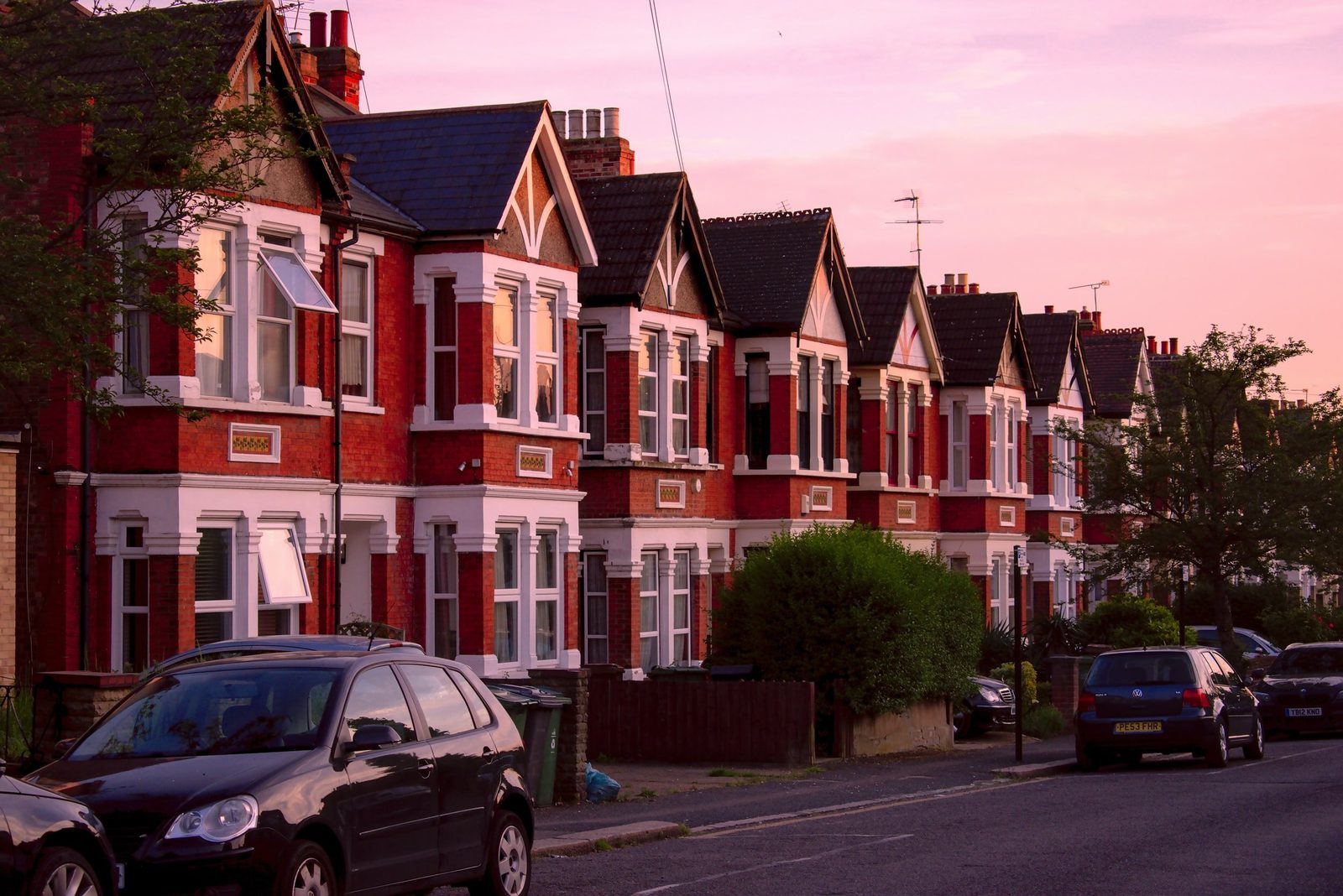

| New tenancy law | Renters' Rights Act, in force for private tenancies in England since 1 May 2026 |
| Tenancy | open-ended (assured periodic tenancy); you leave on two months' notice |
| Rent in advance | at most one month before the tenancy starts; no bidding above the advertised rent |
| Deposit | at most 5 weeks' rent (6 from £50,000 annual rent), protected in a government-approved scheme |
| Council tax | usually paid by the tenant; England Band D average £2,392 a year in 2026/27 |
What changed on 1 May 2026
The Renters' Rights Act received Royal Assent on 27 October 2025, and its main rules have applied to private landlords in England since 1 May 2026. All existing assured shorthold tenancies became open-ended assured periodic tenancies automatically on that day. Fixed-term contracts with an end date are practically gone from the private market.
For you as a tenant that means you stay until you give notice yourself, or until the landlord has a legal ground and a court orders possession. The no-fault eviction under Section 21, once the sword hanging over every tenant, has been abolished. Landlords can still end a tenancy, for example to sell, to move in themselves or over rent arrears, but only on one of those grounds.
Money has changed too. Rent may now go up only once a year, with at least two months' notice. The landlord must state a price in the advert and may not ask for or accept a higher bid, so the notorious bidding wars over London flats are banned. Rent in advance is capped as well: at most one month between signing and moving in. Newcomers without a British credit history used to offer six months up front to win a flat; that no longer works. References, credit checks and a guarantor are still allowed.
Also new: landlords may not discriminate against tenants with children or on benefits, and they must consider a request to keep a pet and give reasons for refusing. From 15 December 2026 a register starts region by region, in which landlords must enter themselves and their properties. Remember: all this applies in England. Scotland, Wales and Northern Ireland have their own tenancy law.
Before you sign: what the landlord wants to see
For newcomers with no British history, the checks by the landlord or letting agent are the real bottleneck.
- 1
Right to Rent
In England the landlord must check that you are allowed to live here. British and Irish citizens show their passport. Everyone else proves their right digitally: if you hold an eVisa, for example from the EU Settlement Scheme or a work visa, you generate a share code. If your permission is time-limited, the landlord repeats the check later.
- 2
References and credit
Employment contract, proof of salary, previous landlords. Without a British credit history, a UK-resident guarantor or an employer confirming the rent helps. You will need a British bank account for the rent anyway; how to open one as a newcomer is in our article on opening a UK bank account.
- 3
Reservation
A holding deposit to reserve the property is capped at one week's rent.
- 4
Deposit
At most 5 weeks' rent if the annual rent is under £50,000, otherwise at most 6. The landlord must protect the deposit in a government-approved scheme within 30 days and give you the details.
- 5
Paperwork
You are entitled to the written terms of the tenancy, the Energy Performance Certificate and, where there is gas in the property, the annual gas safety certificate.
Council tax and bills: the second rent
Rents in England are usually quoted without bills. Electricity, gas, water, broadband and the TV licence normally run on separate contracts in your name. On top comes council tax, the local tax, which in rented homes the tenant pays in almost all cases.
Council tax depends not on your income but on the band of the property, based on an old valuation. You can look up the band of any address in England and Wales online before you sign. On average a Band D household in England pays about £2,392 a year in 2026/27. If you live alone, you get a 25% discount. More everyday figures, from average rents to inflation, are collected in our article on the cost of living in the UK.
During the tenancy: your rights as a tenant
The landlord must keep the home safe and in good repair. The roof, exterior, heating, hot water, plumbing, gas and electrics are always the landlord's responsibility, whatever the contract says. The gas appliances must be safety-checked every year, and there must be a smoke alarm on every floor. If the landlord wants to come in, they must give at least 24 hours' notice, except in an emergency.
You keep paying rent even if repairs are outstanding or you are in a dispute. If nothing gets fixed, the council's environmental health team can step in. Rent arrears are the most common reason for losing a tenancy: with arrears, the landlord can give four weeks' notice and then go to court.
One special case catches many Europeans out. If your landlord lives abroad and you pay them £100 or more a week directly, you must register with HMRC and may have to withhold tax from the rent. This is the Non-Resident Landlord Scheme. If you are the one letting UK property from abroad, the landlord side is in our article on the Non-Resident Landlord Scheme.
Moving out and getting your deposit back
You give two months' notice, at any time. That is the new rule for open-ended tenancies in England. If your contract dates from before 1 May 2026 and agreed a shorter notice period, that may still apply; it depends on the contract.
You get your deposit back if you kept to the terms, damaged nothing and paid the rent and bills. Once you have agreed the amount, the landlord must pay within ten days. In a dispute, the scheme holding the deposit offers free resolution. If the landlord never protected the deposit, you can go to court, which can order them to pay up to three times the deposit.
Short answers
Are there still fixed-term tenancies in England?
Practically none in the private rented sector. Since 1 May 2026 most tenancies are open-ended.
How much deposit can a landlord ask for?
At most five weeks' rent if the annual rent is under £50,000, above that six.
Do I have to pay rent in advance?
At most one month's rent between signing and the start of the tenancy. The landlord may not ask for more.
Who pays council tax?
In rented homes usually the tenant, depending on the contract.
Does this apply in Scotland too?
No. Scotland, Wales and Northern Ireland have their own tenancy law; this article covers England.
Sources: GOV.UK: Private renting; GOV.UK campaign: Renting is changing; GOV.UK: Guide to the Renters' Rights Act; GOV.UK: Tenancy deposit protection; GOV.UK: Check your Council Tax band; GOV.UK: Council Tax levels set by local authorities in England 2026 to 2027