| Local government | 33 areas (32 boroughs and the historic City, the Square Mile) |
| London house price | About £15,000 below the peak of £569,000 (July 2025) |
| Most expensive borough | Kensington and Chelsea, £1.2 million |
| Cheapest borough | Barking and Dagenham, £370,000 |
| Council tax Band D | London average £2,068 (England £2,392) |
| As of | November 2026 |
Life in London: why so many people stay
London has drawn people from all over Europe for decades, and Brexit has changed that less than you might think. The city is international, works in English, has free museums, parks the size of small towns and jobs in industries you will not find this densely packed anywhere else in Europe.
Everyone knows the flip side: housing is expensive, distances are long and the pace is high. Quality of life in London depends less on the city than on three decisions: borough, commute and type of home. Get them right and you live very well; get them wrong and you spend your evenings on the Tube.
A word on names: London is not England, and England is not Great Britain. Mix them up in a pub and you will learn the difference quickly. We explain why in England, Great Britain, United Kingdom.
Housing in London: boroughs and prices
London is made up of 33 local authority areas: the 32 boroughs and the historic City, the Square Mile. Each has its own character, its own council tax and very different prices. In August 2026 a property in the most expensive borough, Kensington and Chelsea, cost £1.2 million on average. In the cheapest, Barking and Dagenham in the east, it was £370,000, still above the England average of £294,000.
Overall, London prices in August 2026 were about £15,000 below the July 2025 peak of £569,000. Most newcomers rent first. The deposit is capped at five weeks' rent where the annual rent is under £50,000, six weeks above that. What to watch for when renting is on our page on renting a home in the UK.
One oddity to finish: average Band D council tax in London is £2,068, lower than the England average of £2,392. So London is not dearer in everything, only in the things that cost the most.
How to find your borough
Not a ranking, just the questions that help you choose.
- Where is your workplace, and how many changes can you face every day?
- Do you need a school place? Then distance to the school matters more than the postcode.
- Do you want period charm or a newer build where the heating actually works?
- How high is council tax in that particular borough?
- How does the street feel at 10pm? Walk it before you sign.
Working in London: the City, Canary Wharf and the rest
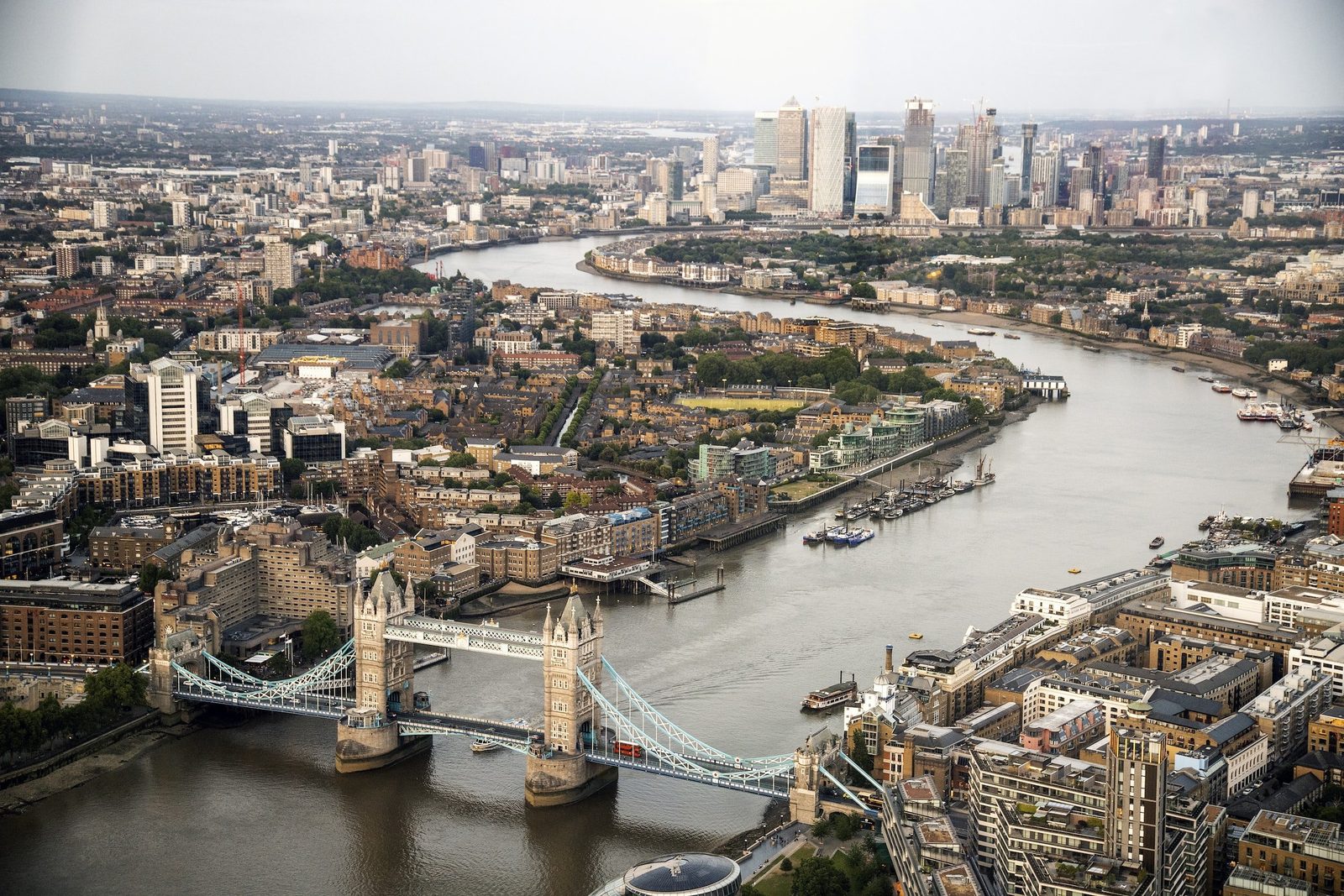
London is the country's financial centre: banks, insurers, asset managers, exchanges and the law firms and consultancies they rely on sit in the City and at Canary Wharf. Add technology, media, universities, hospitals and a creative industry that runs from Soho to Shoreditch.
For a work visa, the city does not matter; the employer does. It needs a sponsor licence, and your salary has to meet the rules of the route. The routes are explained in our section on visas and residence.
London weighting is common in many professions. One example from the public sector: a teacher with QTS earns between £34,069 and £52,835 outside London, and between £41,729 and £64,684 in Inner London. The legal minimum wage, by contrast, is the same across the country: £12.71 an hour from age 21.
Settling in: your first weeks in London
The first steps are the same as anywhere in England: National Insurance number, bank account, tenancy, registering with a GP. London just makes everything faster and busier. Register with a GP practice as soon as you have an address, not when you already have a fever.
The order of steps and everything about visas is on our page on the requirements for moving to the UK. What to set aside for the visa, the deposit and the first months is in the real cost of moving.
Frequently asked questions
How expensive is London?
For housing, very: in August 2026 even the cheapest borough, at £370,000, was above the England average. Council tax, on the other hand, is lower on average than in the rest of England.
How many boroughs does London have?
32 boroughs plus the historic City, so 33 local authority areas.
Do I need a visa for London?
To visit, an ETA. To move there and work, usually a work visa, unless you hold status under the EU Settlement Scheme.
Sources: GOV.UK: UK House Price Index England, August 2026; GOV.UK: Council Tax levels set by local authorities in England 2026 to 2027; GOV.UK: How to rent, the checklist for renting in England; Get Into Teaching (DfE): Teacher pay; GOV.UK: National Minimum Wage and National Living Wage rates