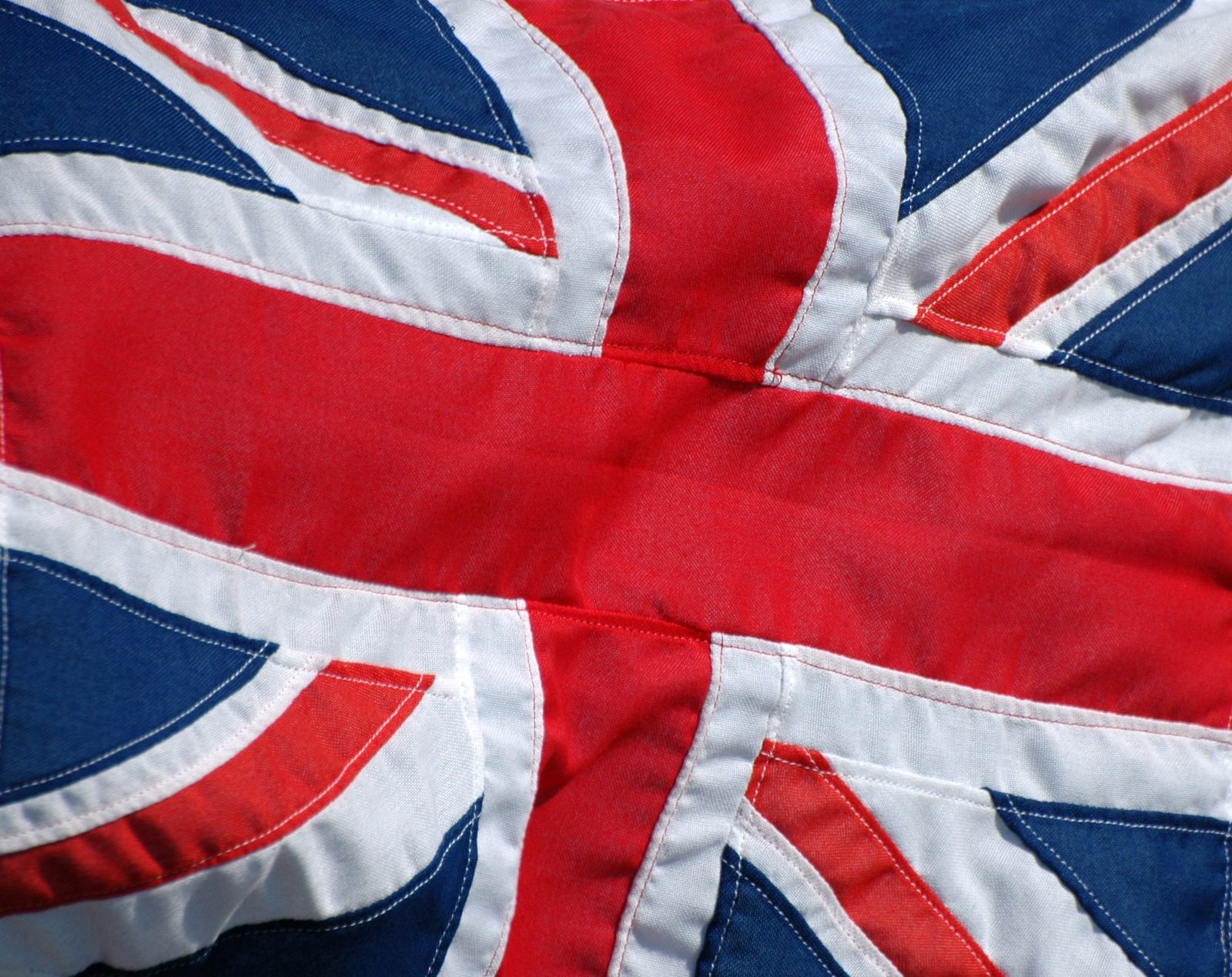
| United Kingdom (UK) | the state: Great Britain and Northern Ireland, four countries, about 69.3 million people (mid-2024) |
| Great Britain | the island, and the name for England, Scotland and Wales together, without Northern Ireland |
| England | one of the four countries of the UK, capital London, not a state of its own |
| British Islands | the UK plus the Channel Islands and the Isle of Man; the Republic of Ireland sits nearby geographically but not politically |
| EU | the UK left on 31 January 2020, and Scotland and Northern Ireland left with it |
The short version: country, island, state
Picture three circles, one inside the other. In the middle sits England: a country with London as its capital, but without a state, a parliament or a government of its own. Around England lies Great Britain: the largest island of the group and the umbrella term for England, Scotland and Wales. Even the British driving licence agency puts it with admirable dryness: Great Britain is England, Wales and Scotland.
The outer circle is the United Kingdom, officially the United Kingdom of Great Britain and Northern Ireland, the UK for short. The Interpretation Act 1978 defines it in a single line: "United Kingdom" means Great Britain and Northern Ireland. The UK is the state. It holds the seat at the United Nations, issues the passports, collects the taxes and left the EU in 2020.
So saying "England" when you mean the whole state is a bit like saying "Holland" when you mean the Netherlands. The people of Utrecht or Groningen will sigh and let it go. The Scots, as a rule, will not.
Who belongs to what? The table for your fridge door
The most common questions at a glance. "Yes" means: politically part of it.
| Part | Great Britain? | United Kingdom? | EU? |
|---|---|---|---|
| England | yes | yes | no |
| Scotland | yes | yes | no |
| Wales | yes | yes | no |
| Northern Ireland | no, it lies on the island of Ireland | yes | no (parts of the EU rules apply to goods) |
| Republic of Ireland | no | no, a state of its own | yes |
| Jersey, Guernsey, Isle of Man | no | no, Crown Dependencies | no |
| Gibraltar | no | no, an Overseas Territory | no |
Interpretation Act 1978, Schedule 1; GOV.UK: Crown Dependencies; GOV.UK: Northern Ireland and the Windsor Framework
Is England a country? Yes. A state? No.
The most searched question on this topic has an honest answer: England is a country. The British say "country" and mean a nation with its own history, its own football team and its own flag, the red cross of St George on white. A sovereign state, though, England is not. The state is the UK, and the Westminster parliament makes England's laws along with everything else.
Here is the odd part. Scotland, Wales and Northern Ireland have had their own parliaments and governments since the late 1990s. The road there began with referendums in Scotland and Wales in September 1997, after which the UK parliament passed three devolution acts in 1998. England got no parliament of its own. It is the only one of the four countries governed directly by the central government in London. If you want to explain that to an Englishman, order a second pint first.
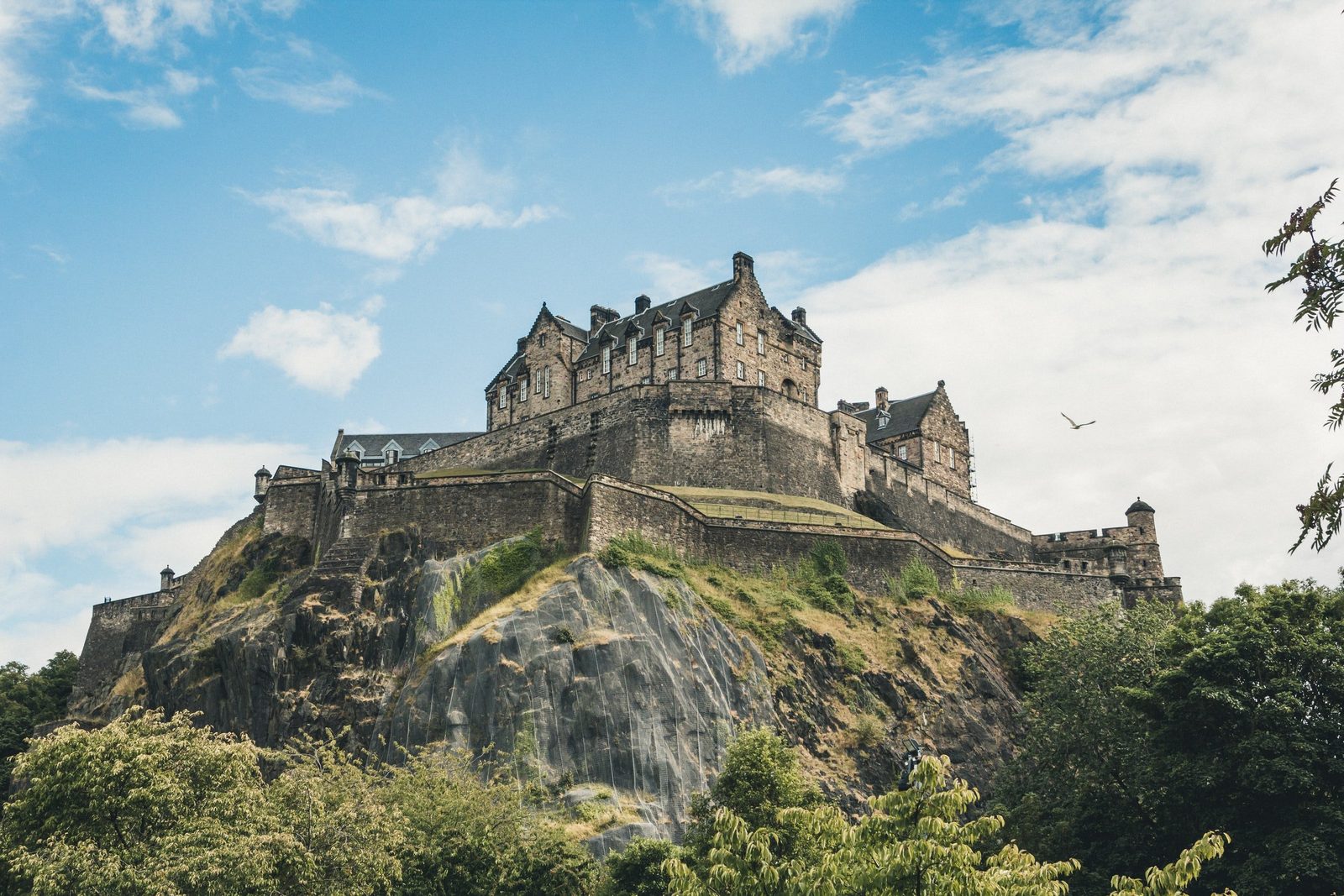
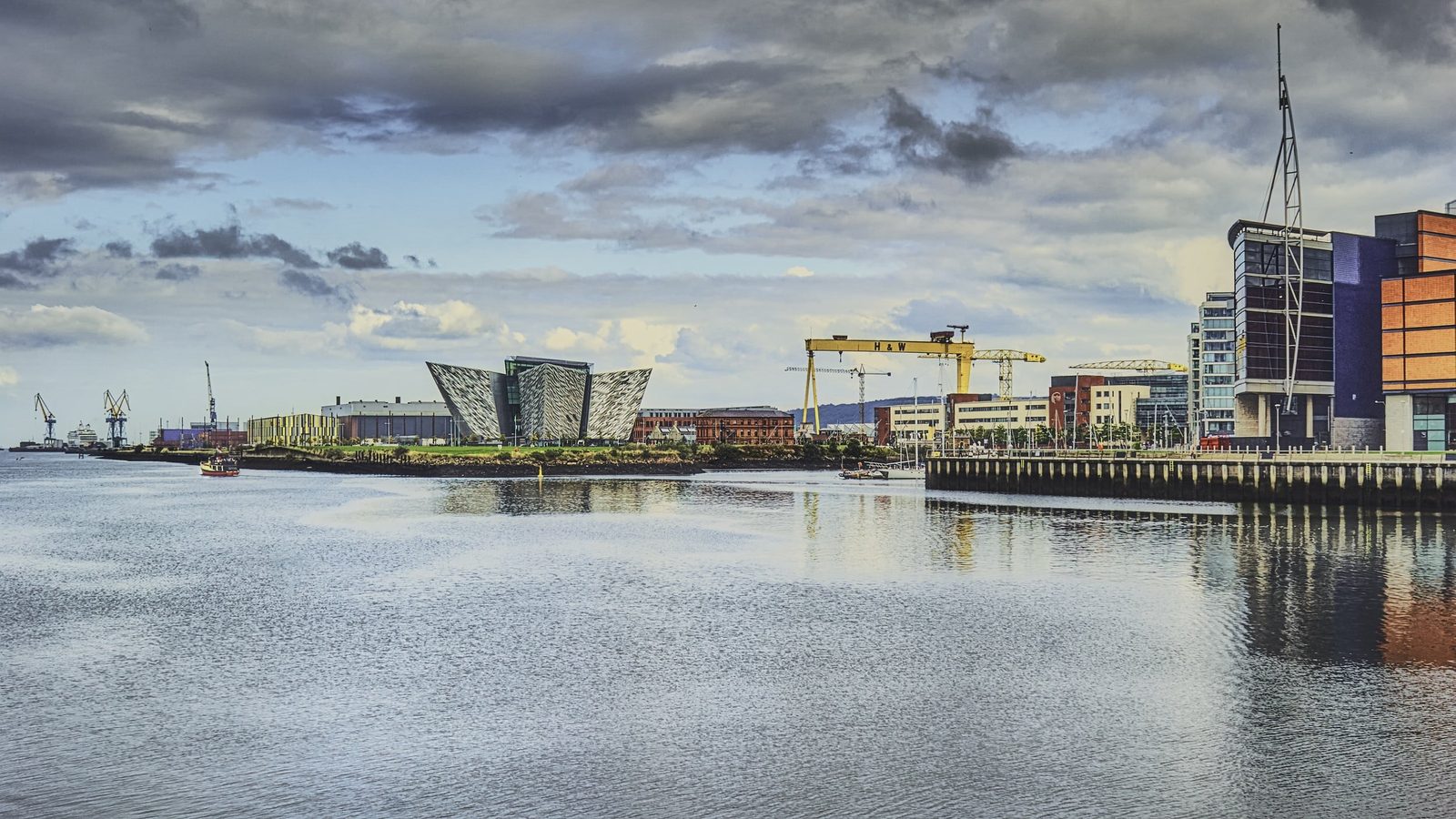
And the capital? London is the capital of England and of the whole kingdom. Scotland governs itself from Edinburgh, Wales from Cardiff, Northern Ireland from Belfast. How the four differ in daily life, from income tax to the 20 mph zones in Wales, is set out in our overview of the four countries of the kingdom.
Is Scotland part of England? And what about Wales and Northern Ireland?
Scotland is not part of England. Like England, it is part of the UK. It is a country with its own legal system, its own schools, its own income tax rates and its own parliament. On 18 September 2014 the Scots voted in a referendum to stay in the United Kingdom. Is Scotland in the EU? No. The UK left the EU on 31 January 2020, and Scotland left as part of it, even though the debate there carries on. If you are toying with the idea yourself, the practical side is in our article on moving to Scotland.
Wales is not part of England either, although the two have been joined the longest. A statute from the reign of Henry VIII, the Laws in Wales Act, united Wales with England; that is why the two still share a great deal, including the legal system and a joint population statistic. Wales nonetheless has its own parliament today, the Senedd, and a second official language. Welsh is on every road sign, and to most continental eyes it looks as though someone mislaid the vowels.
Northern Ireland is part of the United Kingdom, but not of Great Britain, because it does not sit on the British main island but in the north-east of the island of Ireland. Since the Good Friday Agreement, signed on 10 April 1998, people there have the right to identify as British, Irish or both, and to hold both citizenships. For goods it has had a special position since Brexit, which we explain in our article on Northern Ireland after Brexit.
And Ireland? The Republic of Ireland is an independent state and an EU member. It was part of the United Kingdom from 1801 until the Irish Free State was founded in 1922. The north stayed British.
How the kingdom came together: a short history of the British Isles
Long before anyone said "UK", Celtic tribes lived on the islands. Then came, one after another, the Romans, the Angles and Saxons, the Vikings and the Normans. The Angles, a Germanic people from across the North Sea, gave England its name: England is, linguistically, the land of the Angles. Plenty of continental Europeans therefore have a distant family claim on English history, whether the English like it or not.
Political unity grew in stages. First Wales was joined to England. Then came the big step: on 1 May 1707 the kingdoms of England and Scotland were united by the Act of Union into one kingdom called Great Britain. The act also says that the crosses of St George and St Andrew are to be combined in one flag; that is the birth of the Union Jack.
On 1 January 1801 Ireland joined, the United Kingdom of Great Britain and Ireland was born, and the cross of St Patrick moved into the flag. In 1922 most of Ireland left as the Irish Free State. Since the Royal and Parliamentary Titles Act 1927 the parliament has carried the name the state still uses today: Parliament of the United Kingdom of Great Britain and Northern Ireland.
Wales, incidentally, is missing from the flag. At the time of the union it was already legally part of England and so was not counted separately. The Welsh dragon flies on its own flagpoles instead, and with considerable self-confidence.
Is England in Europe? Is England an island?
Geographically, England is in Europe beyond any doubt, on the western edge of the continent, separated from France by the Channel. Politically, the UK has not been in the EU since 31 January 2020. Both statements are true at once, which is exactly why so many people find it confusing.
England on its own is not an island: it shares the island of Great Britain with Scotland and Wales. Under the British Interpretation Act, the British Islands in the legal sense are the UK, the Channel Islands and the Isle of Man. Jersey, Guernsey and the Isle of Man are not part of the UK, though. They are self-governing Crown Dependencies with their own parliaments, taxes and courts, and they have no seats in the UK parliament. Gibraltar, in turn, is a British Overseas Territory. If island life appeals, we have a whole section on it, starting with Jersey.
UK, GB and the sticker on the car: the names in daily life
You will meet these names every day, and not always logically. At the Olympics the kingdom competes as Team GB, even though Northern Ireland takes part. In football, by contrast, England, Scotland, Wales and Northern Ireland field their own national teams and play each other, which keeps the rivalries pleasantly fresh.
On cars the government has tidied up: the old oval GB sticker has been replaced by the UK sticker. If you drive abroad on British plates and still have a GB sticker, you are supposed to cover it or take it off. The tax office is HMRC for all four countries, the passport is a UK passport, and forms ask for your nationality as "British", whether you were born in Inverness or in Brighton.
How many people live there? In mid-2024 the whole kingdom had about 69.3 million. England and Wales together account for 61.8 million, Scotland for just over 5.5 million, and Northern Ireland for the rest. England is by far the most populous of the four, and its people are on average also a little younger than those in Scotland and Wales.
The most common questions, one line each
Is England a country?
Yes, England is one of the four countries of the United Kingdom, but not a state of its own.
Is Great Britain the same as England?
No. Great Britain covers England, Scotland and Wales; England is one part of it.
What is the difference between Great Britain and the United Kingdom?
The United Kingdom is Great Britain plus Northern Ireland. Great Britain without Northern Ireland is not a state but an island and a collective name.
Is Scotland part of England?
No. Scotland is a country of its own within the United Kingdom, with its own parliament and its own law.
Is Northern Ireland part of Great Britain?
No, but it is part of the United Kingdom. Northern Ireland lies on the island of Ireland.
Is Ireland part of the United Kingdom?
No. The Republic of Ireland has been independent since 1922 and is an EU member today.
What does UK stand for?
United Kingdom, in full the United Kingdom of Great Britain and Northern Ireland.
What is the capital of Great Britain?
London, the capital of England and of the whole United Kingdom.
Is Scotland in the EU?
No. Scotland left the EU on 31 January 2020 as part of the United Kingdom.
Are Jersey, Guernsey and the Isle of Man part of the UK?
No. They are dependencies of the British Crown, but not part of the United Kingdom.
Sources: legislation.gov.uk: Interpretation Act 1978, Schedule 1; legislation.gov.uk: Union with Scotland Act 1706; legislation.gov.uk: Union with Ireland Act 1800; legislation.gov.uk: Royal and Parliamentary Titles Act 1927; legislation.gov.uk: Irish Free State (Agreement) Act 1922; legislation.gov.uk: Laws in Wales Act 1535; GOV.UK: Crown Dependencies: Jersey, Guernsey and the Isle of Man; GOV.UK: The Belfast Agreement; GOV.UK: Scottish independence referendum; GOV.UK: Devolution: guidance for civil servants; ONS: Population estimates for the UK, England, Wales, Scotland and Northern Ireland: mid-2024; GOV.UK: Displaying number plates (UK identifier and stickers)