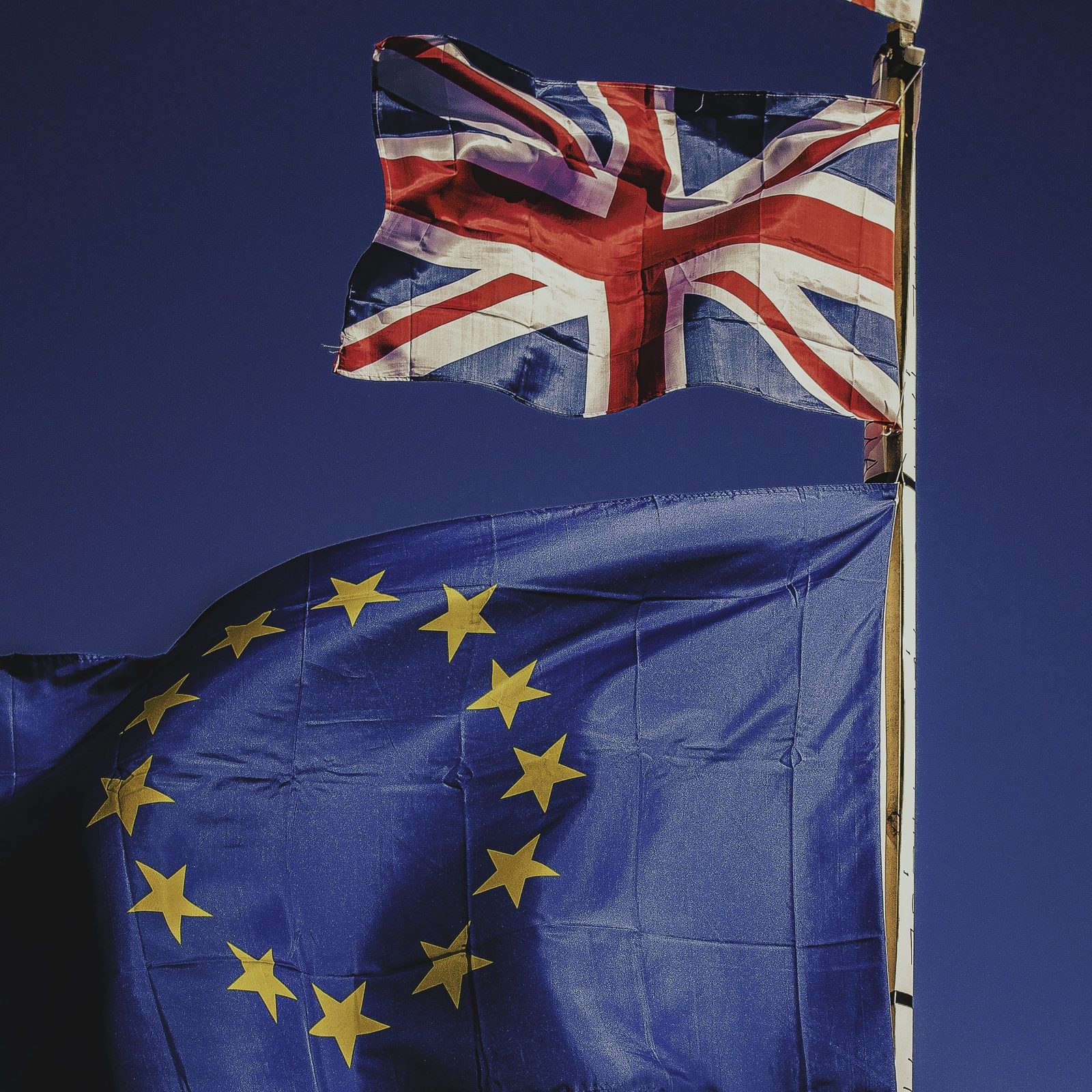
| In the EU? | No. Northern Ireland is part of the United Kingdom and left the EU with it on 31 January 2020 |
| Goods | follows EU VAT rules for goods and is treated for customs as if it were part of the Union customs territory |
| Services | UK rules (HMRC Notice 741A) |
| Country code | XI for Northern Ireland, GB for England, Scotland and Wales |
| Distance sales from the EU | count towards the EU-wide threshold of €10,000 (£8,818); above it, UK VAT on all those sales |
| Windsor Framework | political agreement 27 February 2023, adopted 24 March 2023 |
Is Northern Ireland in the EU?
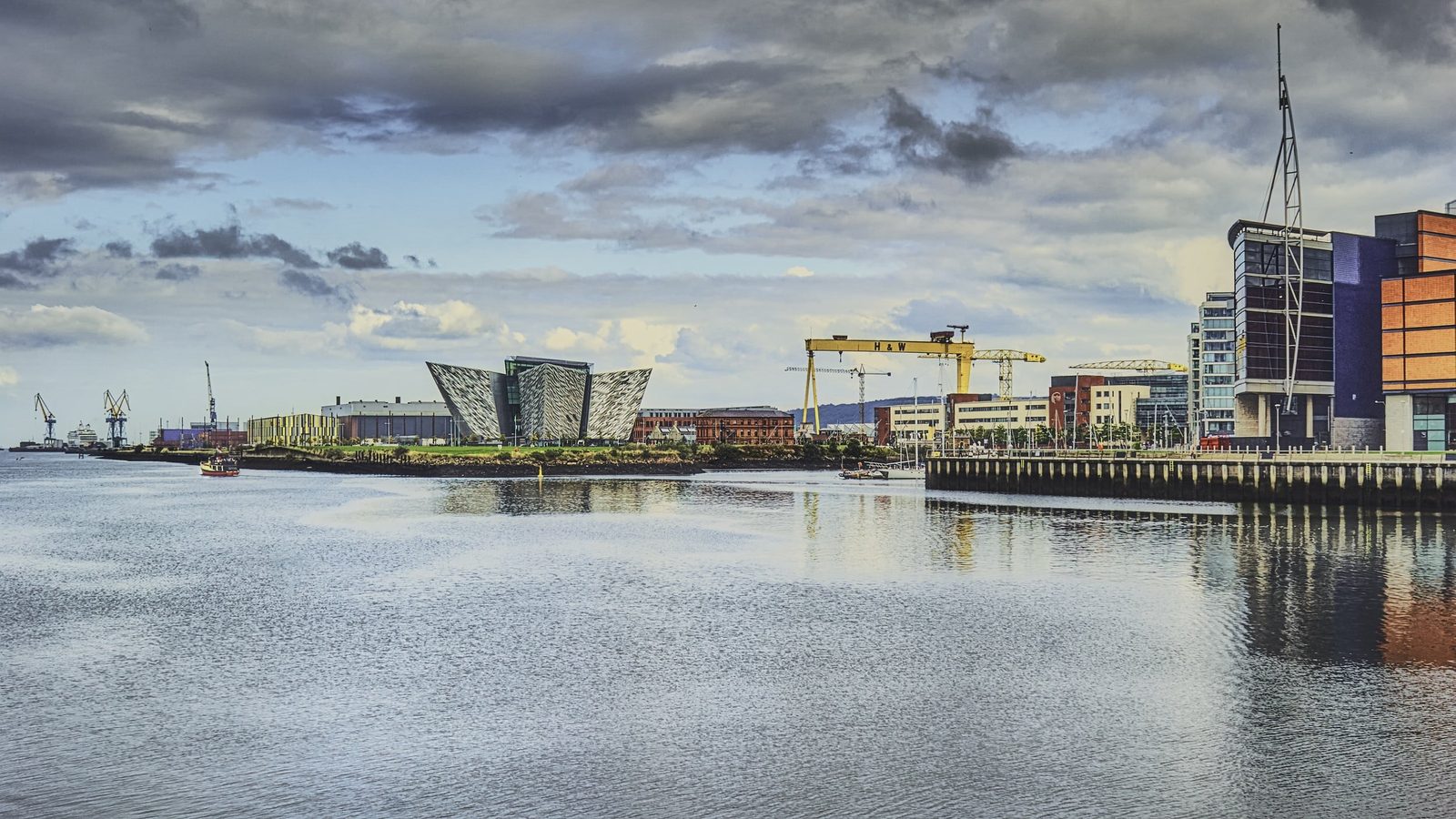
No. Northern Ireland is part of the United Kingdom, which left the EU on 31 January 2020. Shop in Belfast and you pay in pounds, not in euros as you would across the border in the Republic of Ireland. How Great Britain, the United Kingdom and Northern Ireland fit together is explained in England, Great Britain and the UK.
Still, Northern Ireland is a special case. To avoid a hard border on the island of Ireland, the EU and the UK agreed the Protocol on Ireland and Northern Ireland as part of the Withdrawal Agreement. Since then Northern Ireland belongs to the UK's customs territory but is treated for customs purposes as if it were part of the Union customs territory. EU single-market rules for goods keep applying there. That is why there are no customs checks between Northern Ireland and Ireland, but there are checks on goods arriving from Great Britain.
The Windsor Framework: the 2023 compromise
The original protocol caused a great deal of friction, mostly over checks between Great Britain and Northern Ireland, in other words inside the same country. On 27 February 2023 the European Commission and the British government agreed a new approach, the Windsor Framework. The EU-UK Joint Committee adopted it on 24 March 2023.
The core idea: goods coming from Great Britain that stay in Northern Ireland go through simplified procedures, while goods that could travel on into the EU go through full customs. For a supplier based in the EU the framework changes little. It mainly concerns the route from England to Belfast.
VAT: goods on EU rules, services on British rules
For movements of goods Northern Ireland follows the EU VAT rules. If you ship from an EU country to a business in Northern Ireland trading under the Windsor Framework, it works like a supply within the EU: your customer gives you their UK VAT number with the prefix XI, and you check it like any other EU VAT number. Businesses in Northern Ireland must put XI in front of their VAT number when dealing with customers and suppliers in the EU.
Selling to consumers in Northern Ireland, the EU distance-selling rules apply. Your distance sales to Northern Ireland count towards the EU-wide threshold of €10,000 (£8,818). Above it, you must register for UK VAT and account for it on all those sales. Northern Ireland businesses selling to EU consumers use the EU's One Stop Shop.
None of this applies to services. For Northern Ireland HMRC points to the UK place-of-supply rules, the same logic as for England, which we describe in VAT and the UK after Brexit. Consulting for a company in Belfast is therefore not an intra-EU case but a third-country one, with the reverse charge applied by the customer.
Customs: which number, which route
The main routes for goods at a glance:
| Route | What applies | Number |
|---|---|---|
| EU to Northern Ireland | no customs declaration between Northern Ireland and the EU | your EU EORI is enough, no XI number needed |
| Northern Ireland to the EU | no customs declarations for direct movements | the sender's XI number |
| Great Britain to Northern Ireland | declarations and duty, simplified through the UK Internal Market Scheme for goods that cannot reach the EU | GB or XI EORI, UKIMS authorisation |
| Northern Ireland to Great Britain | qualifying Northern Ireland goods without an import declaration | XI EORI in exceptional cases |
GOV.UK: Trading and moving goods in and out of Northern Ireland; Get an EORI number
UK Internal Market Scheme: what "at risk" means
The UK Internal Market Scheme (UKIMS) is an authorisation for businesses bringing goods from Great Britain into Northern Ireland. It lets them declare goods as "not at risk" when the goods are sold to end consumers in Northern Ireland or elsewhere in the UK and do not move on into the EU. Such goods in free circulation in Great Britain enter Northern Ireland without duty.
Goods that are "at risk" of entering the EU carry the EU duty rate and go through the full customs procedure. Only businesses established in the UK can apply for UKIMS. For EU suppliers it is therefore rarely relevant, unless you have a British company that ships from England to Northern Ireland. Then it belongs in the planning of your UK company.
Questions about Northern Ireland
Is Northern Ireland part of the EU?
No. Northern Ireland is part of the United Kingdom and left the EU with it. For goods, EU single-market and customs rules still apply there.
What is an XI number?
XI is the country code for Northern Ireland. Businesses there put XI in front of their UK VAT number when trading goods with the EU, and use an EORI starting with XI for customs. In electronic customs declarations XI is the code for Northern Ireland and GB the code for the rest of the UK.
Is Northern Ireland a third country for VAT?
Not for goods: supplies between the EU and Northern Ireland follow the rules for trade within the EU. For services it is, and British rules apply.
What currency does Northern Ireland use?
The British pound. On the island of Ireland, the euro is used only in the Republic of Ireland.
Sources: GOV.UK: Trading and moving goods in and out of Northern Ireland; GOV.UK: VAT on movements of goods between Northern Ireland and the EU (VAT Notice 725); GOV.UK: UK Internal Market Scheme; GOV.UK: Get an EORI number; European Commission: The Windsor Framework; European Commission: Relations with the United Kingdom