| Own parliaments | Scotland, Wales, Northern Ireland since the devolution acts of 1998; England none |
| Income tax | Scotland with six rates of its own from 19% to 48%; Wales with its own rates of 20%, 40%, 45% |
| Prescriptions | England £9.90 per item; free in Scotland and Wales |
| Property purchase tax | England SDLT, Scotland LBTT, Wales LTT (nil band £225,000 for homes) |
| Speed in built-up areas | 30 mph in England, Scotland, Northern Ireland; 20 mph in Wales |
Devolution in three sentences
In September 1997 Scotland and Wales voted in referendums for parliaments of their own, and in Northern Ireland the Good Friday Agreement followed in 1998. The UK parliament then passed three devolution acts in 1998, for Scotland, Wales and Northern Ireland. Since then the Scottish Government, the Welsh Government and the Northern Ireland Executive have steered many areas of everyday life in their own direction.
Exactly what is devolved and what stays in London is complicated and split differently in each country; even the civil service's own guidance says so. As a rule of thumb for newcomers: health, schools and housing are largely regional, while foreign policy, defence and most taxes stay with the UK. The tax office, HMRC, covers all four countries. England, by the way, has no parliament of its own; how that came about is told in our article on the difference between England, Great Britain and the UK.
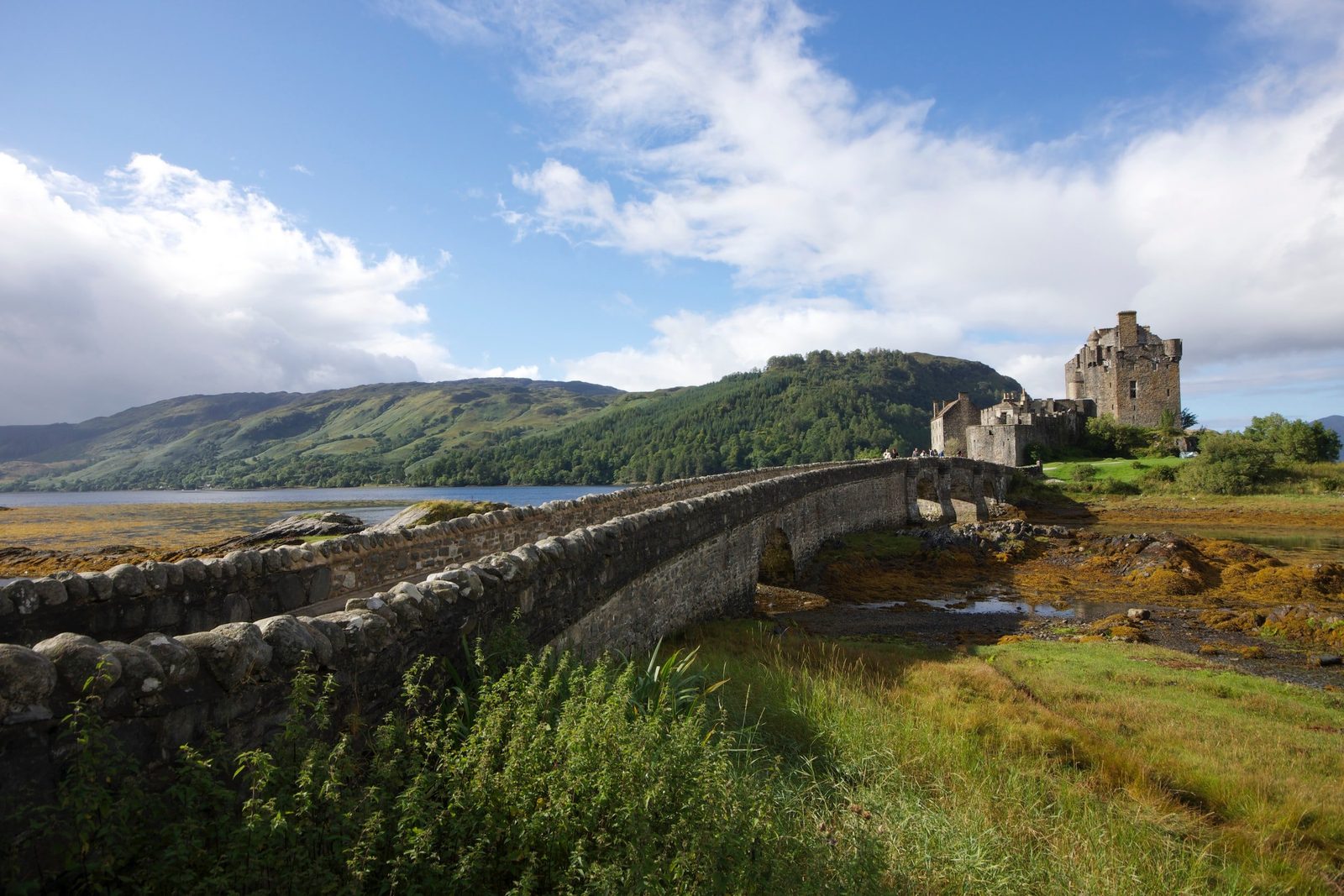
Scotland: its own taxes, its own law, its own schools
Scotland is the most autonomous part of the kingdom. It has its own legal system, its own school system and, above all, its own income tax rates: for 2026/27 there are six bands, from the starter rate of 19% through 20%, 21%, 42% and 45% to the top rate of 48%. The personal allowance of £12,570 is the same as in the rest of the country, and dividends and savings interest are taxed as in the rest of the UK. If you live in Scotland, your tax code starts with an S.
In return, prescriptions are free in Scotland, water and sewerage come with the council tax bill, and when you buy a home you pay the Scottish Land and Buildings Transaction Tax instead of English stamp duty. The drink-drive limit is stricter too: 50 milligrams of alcohol per 100 millilitres of blood instead of 80 in the rest of the kingdom. Everything practical about life in the north is in our article on moving to Scotland.
Wales: bilingual, slower, free prescriptions
Wales has the Senedd as its parliament and Welsh as a second official language; road signs, official letters and many websites are bilingual. For some years the Welsh Government has also gone its own way on roads: on lit streets in built-up areas the default limit in Wales is 20 mph, about 32 km/h, instead of 30 mph as in England.
Wales sets its own income tax rates. For 2026/27 they are 20%, 40% and 45% for the familiar bands, with the £12,570 personal allowance. Which rates apply to you depends on where you live for the longest part of the tax year. If you are registered with a GP in Wales, your prescriptions are free. When buying property, the Welsh Land Transaction Tax applies, with a £225,000 nil band for homes if you own no other property; more in our article on buying a house in Wales.
Northern Ireland: British, Irish or both
Northern Ireland is part of the United Kingdom but sits on the island of Ireland and shares an open land border with the Republic of Ireland. The Good Friday Agreement of 10 April 1998 created a shared government of both communities, the Northern Ireland Assembly and Executive, and gave people there the right to identify as British, Irish or both and to hold both citizenships.
Since Brexit, Northern Ireland has had a special trade role: for goods, parts of the EU rules apply there; for services, British rules. If you run a business there or send goods across the Irish Sea, the details are in our article on Northern Ireland after Brexit. Day to day, Northern Ireland has its own authorities for much of what runs centrally in Great Britain, driving licences for example. The first port of call for residents is nidirect.gov.uk.
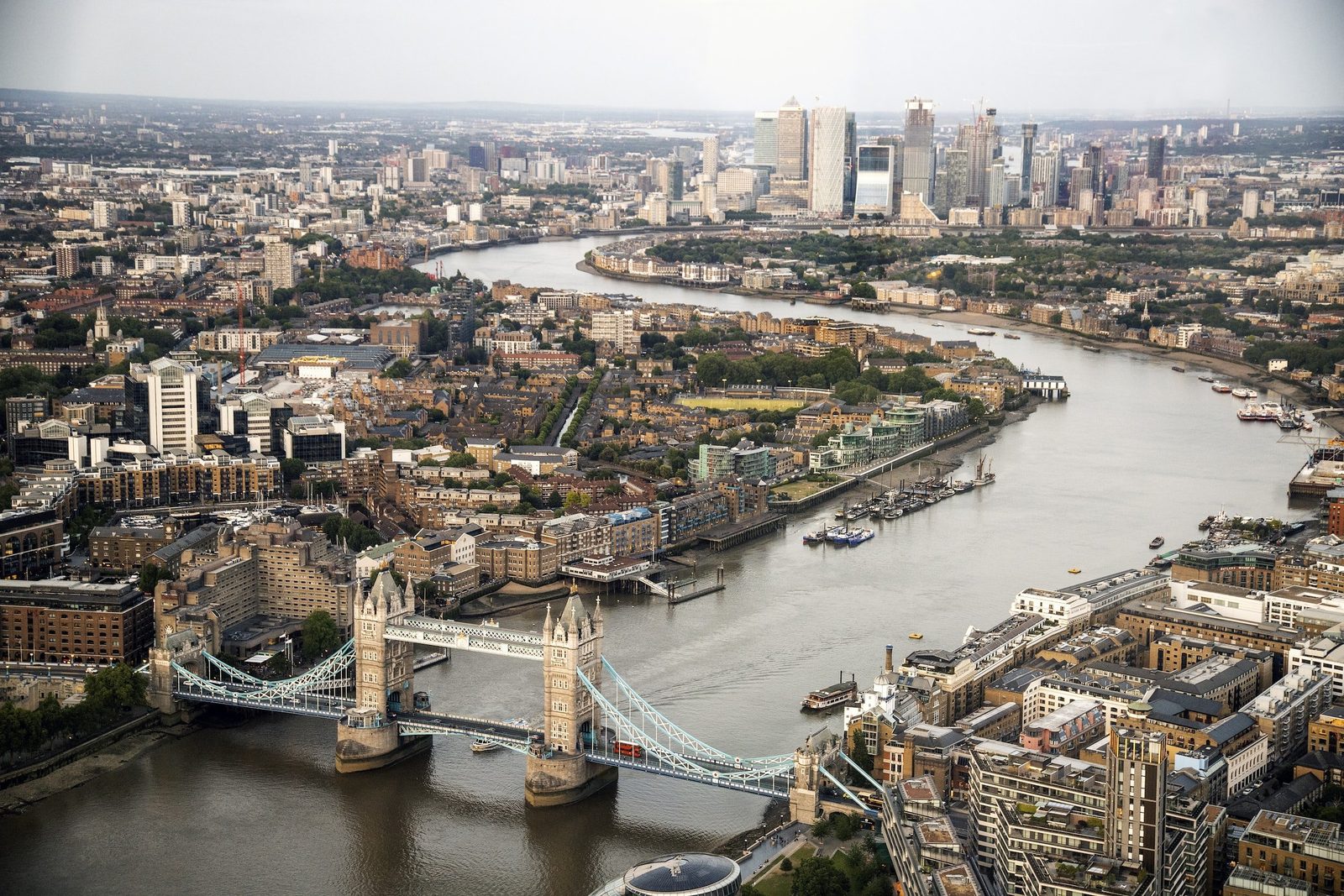
London: a city with its own government
London is not a country, but it is the only city in England with a directly elected government for the whole metropolis: the Mayor of London and the London Assembly, together the Greater London Authority. Among other things the Mayor is responsible for public transport through Transport for London, and with it the Congestion Charge of £18 a day for the centre.
For newcomers, London is above all a question of cost: at £2,338 a month the average rent is the highest in the country. What it is like to live and work there is in our article on moving to London.
The differences at a glance
What differs day to day between the four countries. As of November 2026.
| Topic | England | Scotland | Wales | Northern Ireland |
|---|---|---|---|---|
| Parliament | UK Parliament at Westminster | Scottish Parliament | Senedd | Northern Ireland Assembly |
| Income tax on earnings | UK rates | own rates, 19% to 48% | Welsh rates 20%, 40%, 45% | UK rates |
| Prescription charge | £9.90 per item | none | none | own rules |
| Property purchase tax | SDLT | LBTT | LTT | SDLT |
| Speed in built-up areas | 30 mph | 30 mph | 20 mph | 30 mph |
| Drink-drive limit (mg per 100 ml blood) | 80 | 50 | 80 | 80 |
| Tenancy law | Renters' Rights Act since 1 May 2026 | own law | own law | own law |
GOV.UK; GOV.WALES; Scottish Income Tax 2026 to 2027; Renting is changing (England)
Sources: GOV.UK: Devolution: guidance for civil servants; GOV.UK: Income Tax in Wales; GOV.UK: Scottish Income Tax 2026 to 2027; GOV.WALES: Land Transaction Tax guide; GOV.WALES: Free prescriptions; GOV.UK: The Belfast Agreement; GOV.UK: Speed limits; GOV.UK: Stamp Duty Land Tax; GOV.UK: The drink drive limit; London.gov.uk: What the Mayor does