
| Goods | zero tariffs on EU or UK originating goods, but a customs declaration for every shipment |
| UK Ltd run from the EU | no longer protected by EU freedom of establishment; recognition under national law |
| Business trips | ETA at £20, valid 2 years, stays of up to 6 months |
| Posted workers | up to 2 years in the home social security system with a certificate (A1 or PDA1) |
| Data | EU adequacy decisions for the UK renewed in December 2025 |
| Long-run effect (OBR) | productivity down 4 %, trade with the EU around 15 % lower than had the UK stayed |
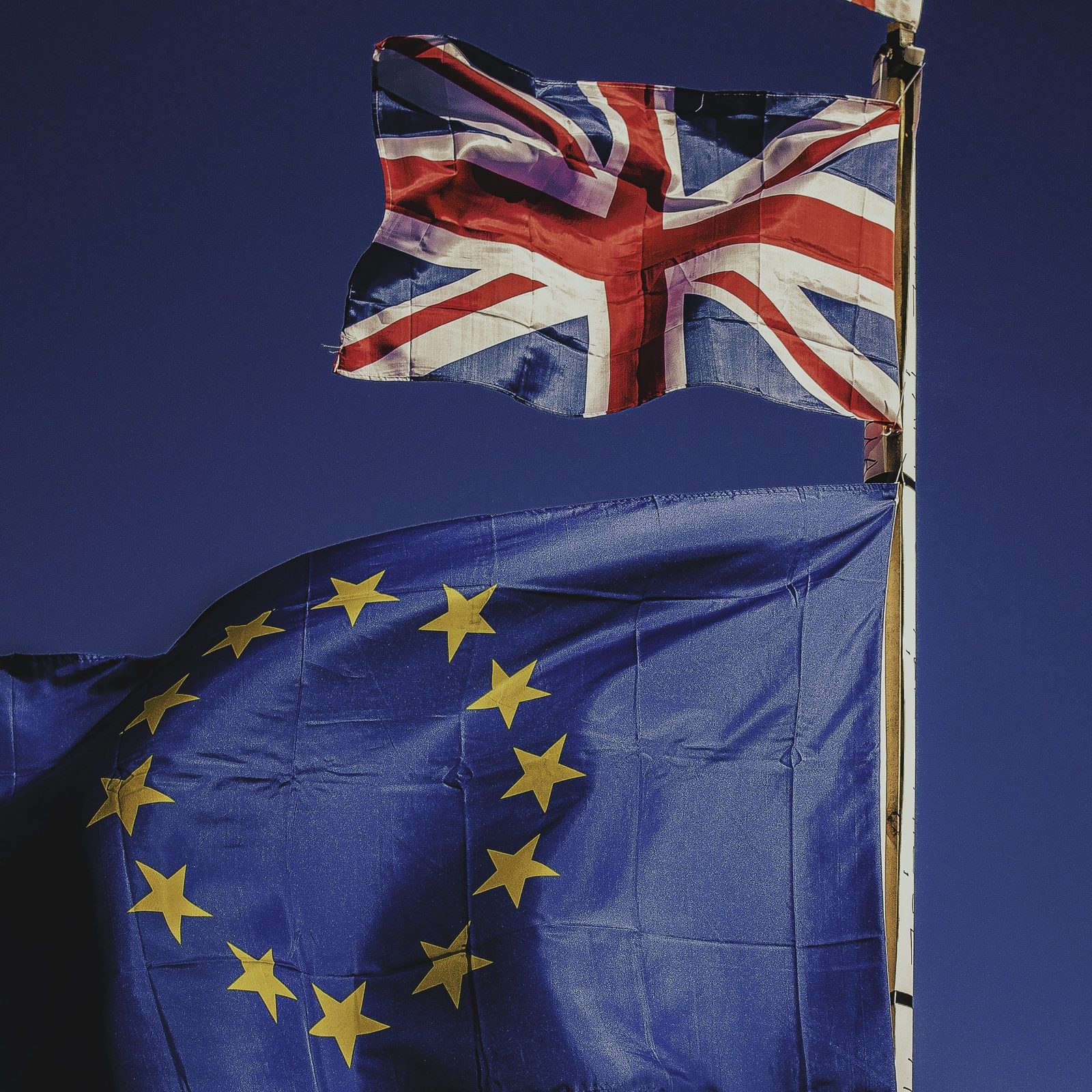
Is Britain better off after Brexit? The sober balance
We hear the question a lot, and the honest answer depends on whom you ask. The UK government's own fiscal watchdog, the Office for Budget Responsibility, has held the same view for years: the trade deal with the EU lowers long-run productivity by 4 % against staying in, and exports and imports end up around 15 % lower. In its assessment, new trade deals with countries outside the EU have done little to change that so far.
Supporters point to other things: their own laws, their own trade policy, their own immigration rules. Those are political gains, not lines on a balance sheet. For your business something more practical counts. The UK is still a large market with money to spend; access simply takes more paperwork than it used to. Get that organised once and you have an edge over competitors who shy away from the effort.
Goods and VAT: the most visible part
Since 1 January 2021 every shipment between the EU and Great Britain needs a customs declaration, even when no duty is due. Zero tariffs apply only to goods that meet the trade agreement's rules of origin. On top come UK VAT, a GB EORI number and, for food and plants, extra checks. The detail is in VAT and the UK after Brexit and customs, EORI and commodity codes.
Logistics has adapted; the cost has stayed: longer lead times, customs agent fees, more room for mistakes. If you send lots of small parcels to consumers, a UK warehouse with its own VAT registration often pays off. For classic B2B shipments it usually does not.
Since the transition period ended, companies formed in the UK are third-country companies for the EU and no longer covered by freedom of establishment. Member states no longer have to recognise the legal personality, and with it the limited liability, of a UK company whose central administration is in the EU. In the worst case the shareholders are personally liable for the company's debts.
Company law: the UK Ltd with its seat in the EU
For years the English Ltd run from somewhere on the continent was a popular shortcut: quick to form, little capital, and EU freedom of establishment made sure it was recognised everywhere. That foundation has gone. The European Commission states plainly that companies formed in the UK became third-country companies when the transition period ended. Whether such a company is recognised now depends on the national law of each member state or on international agreements.
In practice: if your Ltd is really managed from an EU country, have someone check how that country treats it today, and whether converting into a local company form or moving genuine management to the UK is the better route. The same logic applies the other way round: UK companies' branches in the EU are branches of a third-country company, with the rules that go with that.
If your Ltd is run in the UK, with its management, decisions and substance there, it remains a solid vehicle for British business. How to set one up today is covered on UK Company Setup.
Business trips and services in the UK
Flying to a client in London now needs an electronic travel authorisation, the ETA, before you go. It costs £20, lasts two years or until your passport expires and allows stays of up to six months, business trips included. Note the limits: the ETA covers meetings, negotiations and trade fairs, not every kind of work in the UK. What a business visitor may do and when a visa is needed is explained under business visitors and the ETA.
Sending staff to the UK: social security
The good news: the trade agreement keeps social security coordination in place. As a rule you pay contributions in one country only.
- 1
Up to two years: home system
Someone sent temporarily to the UK for up to two years by an employer in the EU stays in their home social security system. The same applies to the self-employed doing similar work in the UK.
- 2
Get the certificate
The basis is a certificate of coverage from your home institution: an A1, or a PDA1 for Iceland, Liechtenstein, Norway and Switzerland. With it, no UK National Insurance is due.
- 3
Not a work visa
The certificate is not permission to work. Whether your employee needs a visa follows UK immigration law.
- 4
Check payroll tax separately
Social security and income tax on wages follow different rules. Whether you need a UK payroll is settled through UK Payroll.
Data: the adequacy decisions still stand
Personal data can still flow from the EU to the UK without extra contracts. That rests not on the trade agreement but on a one-sided EU decision: the Commission renewed its two 2021 adequacy decisions for the United Kingdom in December 2025. For your CRM hosted in London or your British service provider that means carry on, but keep an eye on it, because a unilateral decision can be reviewed.
Politically the wind has turned friendlier. At the first EU-UK summit on 19 May 2025 both sides agreed a new strategic partnership. An agreement on food and plant health is being negotiated but not yet concluded, and the British government rules out rejoining the single market or customs union. So plan with today's rules.
Questions about Brexit and EU businesses
Does Brexit have any upside for EU businesses?
In my view mostly an indirect one: if you master the formalities you stand out from competitors who avoid the effort. The official British forecasts, by contrast, see a lasting drag on trade and productivity across the economy.
Is my UK Ltd still valid if it is run from the EU?
Member states no longer have to recognise its legal personality and limited liability when its central administration is in the EU. How your country treats it depends on national law. Have it checked before a creditor does.
Do staff in the UK need an A1 certificate?
Yes, if they are posted temporarily for up to two years and should stay in your home social security system. The certificate does not replace a visa.
Can I transfer customer data to the UK?
Yes, on the basis of the EU adequacy decisions, which the Commission renewed in December 2025.
Sources: European Commission: Notice to stakeholders, withdrawal of the UK and EU rules in the field of company law (2021); European Commission: EU-UK Trade and Cooperation Agreement; European Commission: Adequacy decisions; European Parliament: Fact sheet on the United Kingdom; GOV.UK: Paying social security contributions if you're coming to work in the UK from the EU or Switzerland; GOV.UK: Get an electronic travel authorisation (ETA); GOV.UK: Food Standards Agency, SPS programme update September 2026; Office for Budget Responsibility: Brexit analysis