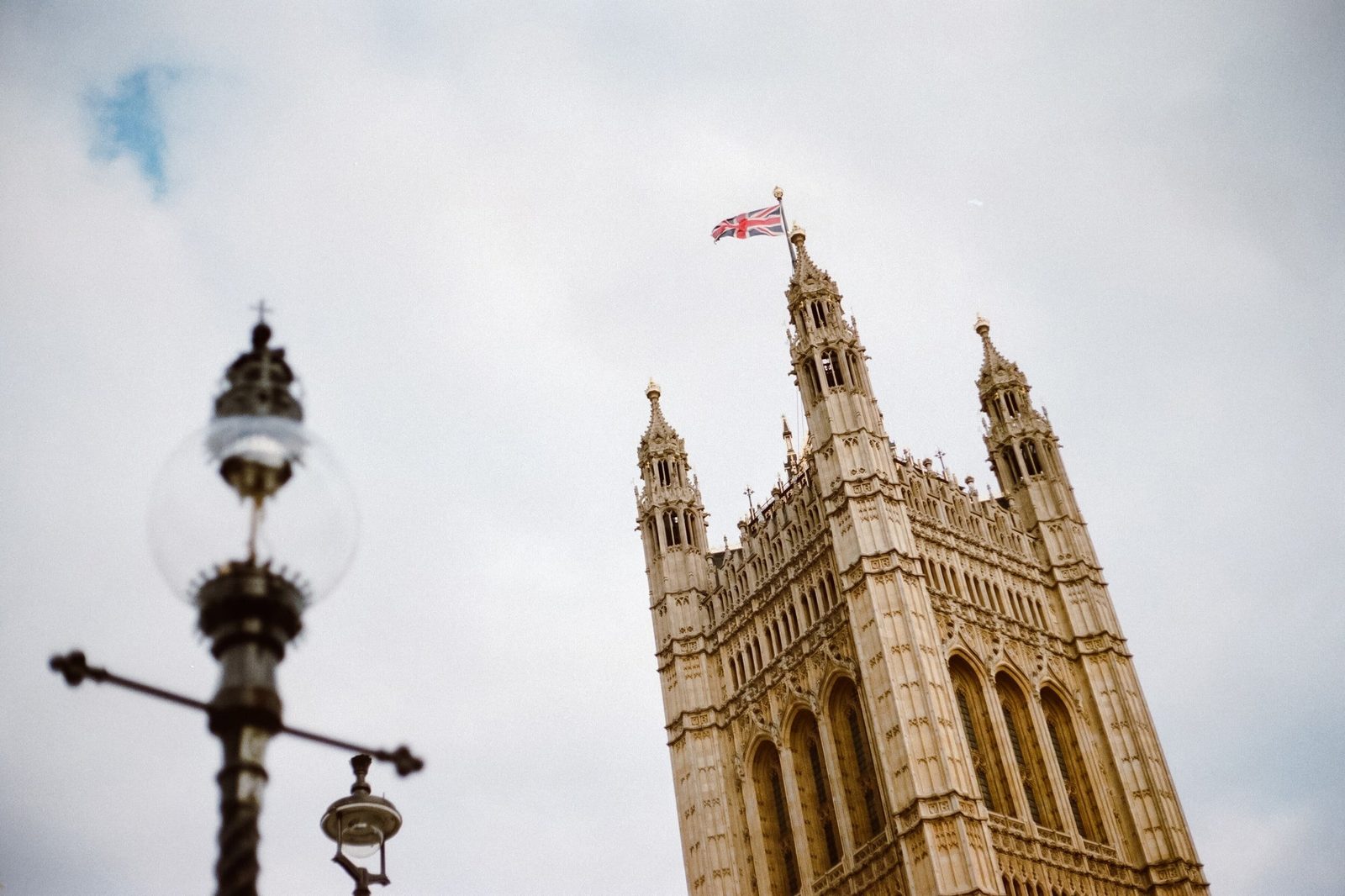
| Budget 2025 | 26 November 2025 |
| Law | Finance Act 2026 (c. 11), Royal Assent 18 March 2026 |
| Budget 2026 | delivered on 28 October 2026; the follow-up legislation is the Finance Bill 2026-27 |
| Costliest items | dividends from April 2026, interest and rents from April 2027 |
| Reversed | the cut of the cash ISA to £12,000 |
| Updated | November 2026 |
In brief: from Budget to law
A UK Budget is an announcement first. It becomes law through the Finance Act, supplemented by regulations. Budget 2025 was presented on 26 November 2025. Most of its tax measures are in the Finance Act 2026, in force since 18 March 2026. A few points run through separate acts or regulations, some through the next Finance Bill.
The next Budget has since taken place: the government told the Treasury Select Committee the date in July 2026, and Chancellor John Healey presented Budget 2026 on 28 October 2026. It builds on Budget 2025, raises the rates on interest and rents further and scraps the cash ISA cut. Where it touches a 2025 measure, the table below says so.
Every measure for private clients, with start date and status
What Budget 2025 changed for individuals in the UK and for owners of UK property abroad. Status as of 2 November 2026.
| Measure | From | Status today |
|---|---|---|
| Dividends: 10.75% and 35.75% instead of 8.75% and 33.75%; additional rate stays 39.35% | 6 April 2026 | law, in force (Finance Act 2026 s4) |
| Savings interest: 22%, 42%, 47% | 6 April 2027 | law (Finance Act 2026 s5); Budget 2026 wants 24%, 44%, 49% (Finance Bill 2026-27) |
| Separate rates for property income: 22%, 42%, 47% in England, Wales, Northern Ireland | 6 April 2027 | law (Finance Act 2026 s6, s7); Budget 2026 wants 24%, 44%, 49% (Finance Bill 2026-27) |
| Personal allowance £12,570 and basic rate band £37,700 frozen | to 2030/31 | law (Finance Act 2026 s10) |
| Starting rate for savings stays at £5,000 | 2026/27 to 2030/31 | law (Finance Act 2026 s9) |
| Tax deduction for employees' home working costs abolished | 6 April 2026 | law, in force (Finance Act 2026 s21) |
| Employer reimbursement of home working equipment tax-free | 6 April 2026 | law, in force |
| Cash ISA cut to £12,000 for under-65s | April 2027 | cancelled by Budget 2026, regulations to be revoked |
| Inheritance tax: nil-rate band £325,000, residence nil-rate band £175,000 frozen | to 5 April 2031 | law (Finance Act 2026 s72) |
| APR and BPR: 100% only on the first £1 million, then 50%; unused amount transferable between spouses | 6 April 2026 | law (Finance Act 2026 s65) |
| Unused pension funds fall into the estate | 6 April 2027 | law (Finance Act 2026 s66 to s71) |
| All dividends during temporary non-residence taxable | 6 April 2026 | law (Finance Act 2026, Schedule 3 Part 3) |
| No more voluntary Class 2 contributions for periods abroad, Class 3 only after 10 years | 6 April 2026 | in force (regulations) |
| National Insurance on salary-sacrificed pension contributions above £2,000 | 6 April 2029 | law (NIC (Employer Pensions Contributions) Act 2026) |
| High Value Council Tax Surcharge on homes worth £2 million or more in England | 1 April 2028 | in the Finance Bill 2026-27, not yet law |
| Per-mile charge for electric cars and plug-in hybrids (eVED) | 1 April 2028 | in the Finance Bill 2026-27, not yet law |
| Pension tax allowance for pensioners with income up to the full State Pension | 6 April 2027 | in the Finance Bill 2026-27, not yet law |
Budget 2025 OOTLAR, Finance Act 2026, Budget 2026 OOTLAR, GOV.UK
What it means if you live in the UK
You feel the dividends first. Since 6 April 2026 you pay, above the £500 allowance, 10.75% as a basic rate taxpayer and 35.75% as a higher rate taxpayer. If you pay yourself from your own limited company through dividends, rework the mix of salary and dividend; see salary or dividend.
For savers the big step comes in April 2027. Under the Finance Act 2026 rates on interest rise to 22%, 42% and 47%, and under Budget 2026's plan even to 24%, 44% and 49%. The personal savings allowance stays. That makes the ISA all the more valuable, and this is exactly where Budget 2026 dropped a cut: the cash ISA limit stays at £20,000. The details are in ISAs and everyday tax.
Quiet but noticeable is the freeze. The personal allowance and the basic rate band stay where they are up to and including 2030/31. And if you work from home, since 2026/27 you can no longer claim costs from HMRC yourself; what works instead is in working from home relief.
For owners of UK property living abroad
If you let a flat in England from abroad, the new rate on property income hits you. From 6 April 2027 property income has its own rates: under the Finance Act 2026 22%, 42% and 47%, under Budget 2026 planned at 24%, 44% and 49%. That applies in England, Wales and Northern Ireland. Scotland and Wales can set their own rates on property income. How rent of non-residents is taxed is in the Non-Resident Landlord Scheme.
From 1 April 2028 England adds the High Value Council Tax Surcharge on homes worth £2 million or more, in four bands from £2,500 to £7,500 a year. It hits owners wherever they live and is on its way into law with the Finance Bill 2026-27.
In inheritance tax the £325,000 and £175,000 bands stay frozen until 5 April 2031. Even if you live abroad, you pay UK inheritance tax on UK assets such as a flat or a bank account; how that works since the 2025 reform is in UK inheritance tax. Budget 2026 brought a small easing on sales: if you miss the 60-day return for a property sale, you stop collecting late penalties once the sale is in your Self Assessment return.
Budget 2026: what was added on 28 October 2026
Budget 2026 continued the previous year's direction, with a few bright spots. For private clients the main points are: another two points on interest and rents from April 2027, the rescued £20,000 cash ISA limit, a tripling of the trading allowance from £1,000 to £3,000 from 6 April 2027 and the pension tax allowance for pensioners from the same day.
For business owners it announces a cut in the Business Asset Disposal Relief lifetime limit from £1 million to £500,000 from 6 April 2027, and introduces a new founders relief with 10% capital gains tax. Both come with the next Finance Bill, so neither is law yet. Since 29 October 2026, withdrawing from a Lifetime ISA for a first home over £450,000 costs only 20% instead of 25%.
The full overview of what applies since April 2026 and what is still to come is in what changes in 2026.
Frequently asked questions about UK Budget 2025
When was UK Budget 2025?
On 26 November 2025. Most tax measures became law with the Finance Act 2026, which received Royal Assent on 18 March 2026.
When was UK Budget 2026?
On 28 October 2026. The date was officially announced in July 2026. The legislation follows with the Finance Bill 2026-27.
Does the higher tax on rental income apply in Scotland?
The new property rates apply in England, Wales and Northern Ireland. Scotland and Wales may set their own rates on property income.
Is the cash ISA being cut to £12,000?
No. Budget 2025 announced the cut from April 2027; Budget 2026 dropped it. The cash ISA limit stays at £20,000.
Does the Budget affect me if I do not live in the UK?
Yes, if you own or let UK property: through the rates on property income from April 2027, the surcharge on homes worth £2 million or more from April 2028 and the frozen inheritance tax bands.
Sources: GOV.UK: Budget 2025, Overview of tax legislation and rates (OOTLAR); GOV.UK: Budget 2025 document; legislation.gov.uk: Finance Act 2026 (c. 11); legislation.gov.uk: National Insurance Contributions (Employer Pensions Contributions) Act 2026; GOV.UK: Chancellor letter to the Treasury Select Committee, Budget 2026 date; GOV.UK: Budget 2026 tax related documents; GOV.UK: Budget 2026, Overview of tax legislation and rates (OOTLAR); GOV.UK: Tax-free savings newsletter 24, October 2026; GOV.UK: High Value Council Tax Surcharge; GOV.UK: Voluntary National Insurance